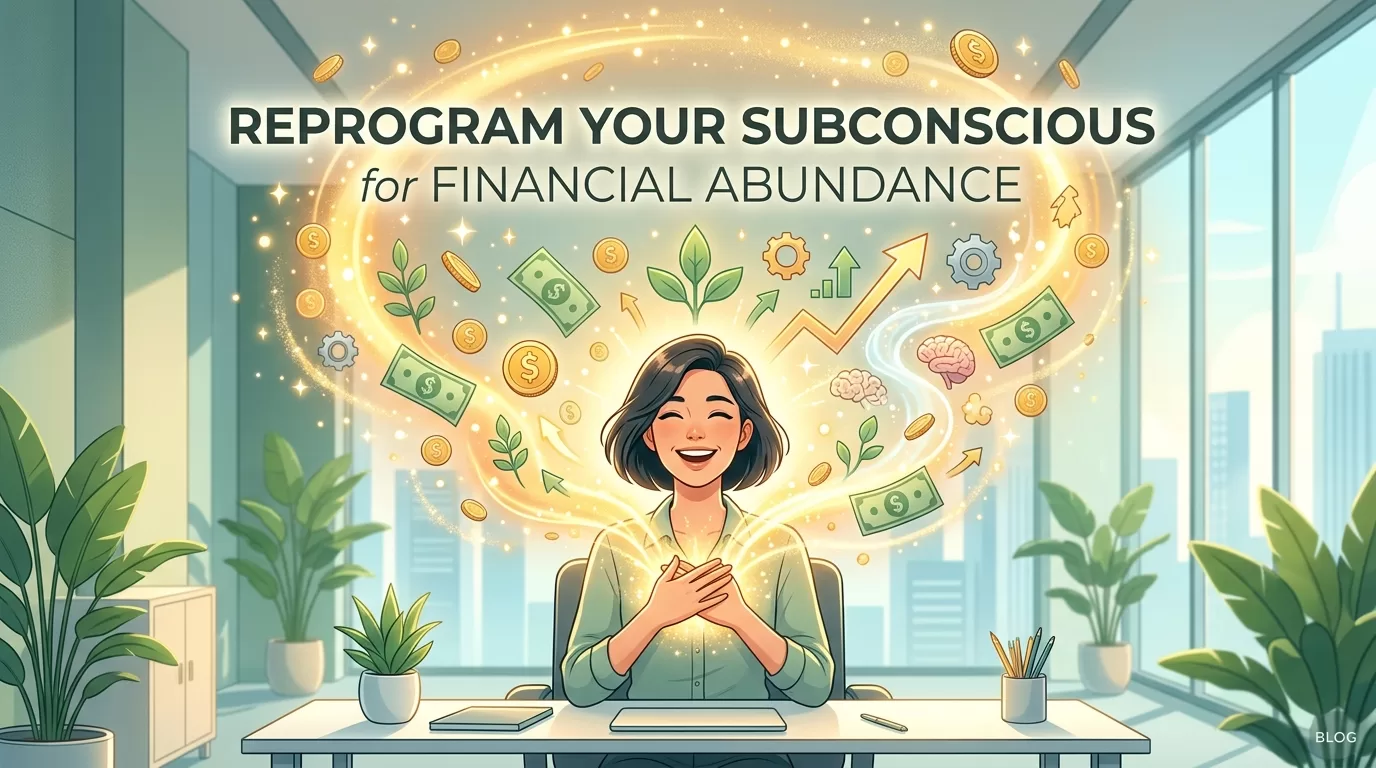
Most people believe that if they work harder, think positively, or use affirmations, their financial situation will improve. But even after trying everything, they keep hitting the same wall. Money comes and goes, opportunities appear and disappear, and nothing truly changes. This happens because the real problem is not external - it is internal.
There is a hidden system running beneath your financial life that silently controls your results. You don’t see it, but it shapes how much you earn, how you handle money, and what you believe is possible for you.
This hidden system is often called the prosperity matrix. It is built over time through your experiences, especially during childhood, when you first learned what money means.
If you grew up hearing things like “money is hard to earn” or “we can’t afford that,” those ideas did not just stay as thoughts. They became emotional patterns. Your brain stores these experiences based on how they felt, not just what happened.
Over time, similar emotional experiences connect and form a strong internal pattern. This pattern becomes your default mindset around money, influencing your decisions without you realizing it.
That is why many people repeat the same financial cycles again and again. Even if they earn more, they lose it. Even if they get opportunities, they hesitate or sabotage themselves.
It is not bad luck. It is their internal programming working exactly as it was designed.
Your prosperity matrix acts like a filter. It decides which opportunities you notice, how you react to risk, and whether you feel comfortable holding wealth. Until this system changes, your results will stay within the same range.
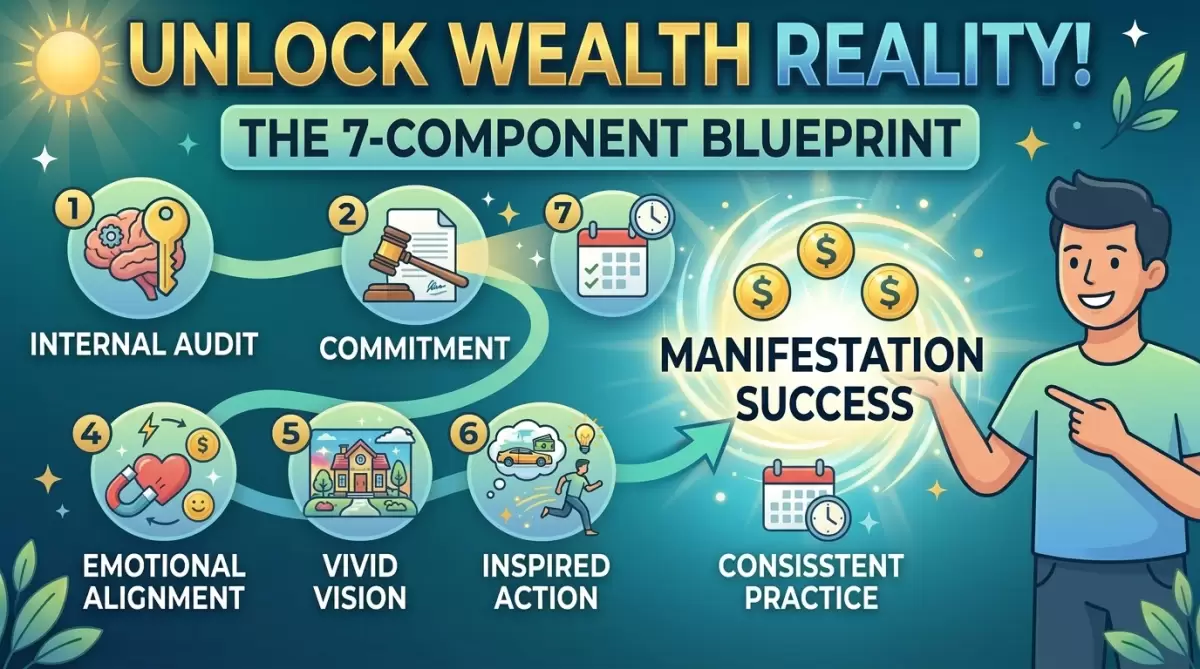
To change your financial reality, you need to go deeper than surface-level strategies. Start by identifying your repeating pattern. Maybe you struggle to save money, or you feel uncomfortable charging what you deserve.
Instead of fixing the outcome, ask yourself when you first felt this way. Often, the answer goes back to early experiences where you felt lack, fear, or unworthiness.
Most people avoid these emotions, but avoidance keeps them active. What you resist does not disappear; it controls your behavior in the background. The real shift begins when you allow yourself to feel these emotions fully and face them without judgment.
Once you release the old pattern, you can begin building a new one. Start by recalling moments when you felt abundance, even in small ways. It could be receiving unexpected money or feeling secure for a brief time.
These moments matter because they prove that abundance already exists in your experience. You simply need to strengthen that feeling.
Then, create a clear mental picture of your ideal financial life. Your brain responds to vivid imagination almost like real experience. When you repeatedly imagine a life of financial ease, stability, and growth, your mind begins to accept it as possible.
The most important shift is identity. Money does not respond to what you want. It responds to who you believe you are.
If you see yourself as someone who struggles, your actions will match that belief. But when you start seeing yourself as someone who attracts and manages money well, your behavior naturally changes.
This shift does not come from repeating words. It comes from feeling and acting like that version of yourself consistently.
As you start changing, resistance will appear. Doubt will increase, and situations may test your progress. This is the point where most people quit.
But this resistance is not failure. It is a sign that your old system is breaking. If you stay consistent instead of going back to old habits, the change becomes permanent.
Real transformation does not happen overnight, but it also does not take forever. With daily practice, your thinking begins to shift within weeks. Over time, your actions and financial results start to follow.
In the end, money is not just something you earn. It is something you align with. When your internal system changes, your external reality follows automatically.
StoryKafe is a dynamic online hub for storytelling, empowering creators to share meaningful, user-generated content across topics like business, technology, health, education, and beyond - turning stories into impactful conversations.