Success is built through consistent action, not through momentary motivation or fleeting emotions. The powerful message in the video explains a timeless principle: your feelings will change, but your plan should stay steady. When you stick to a well-designed plan instead of reacting to how you feel, you build momentum, resilience, and real results in life.
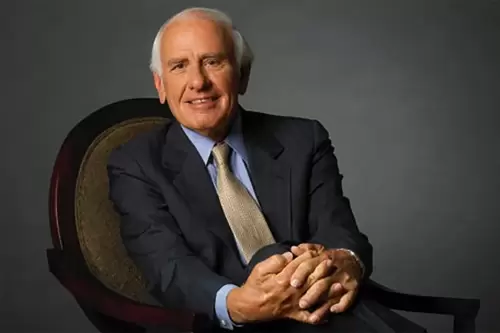
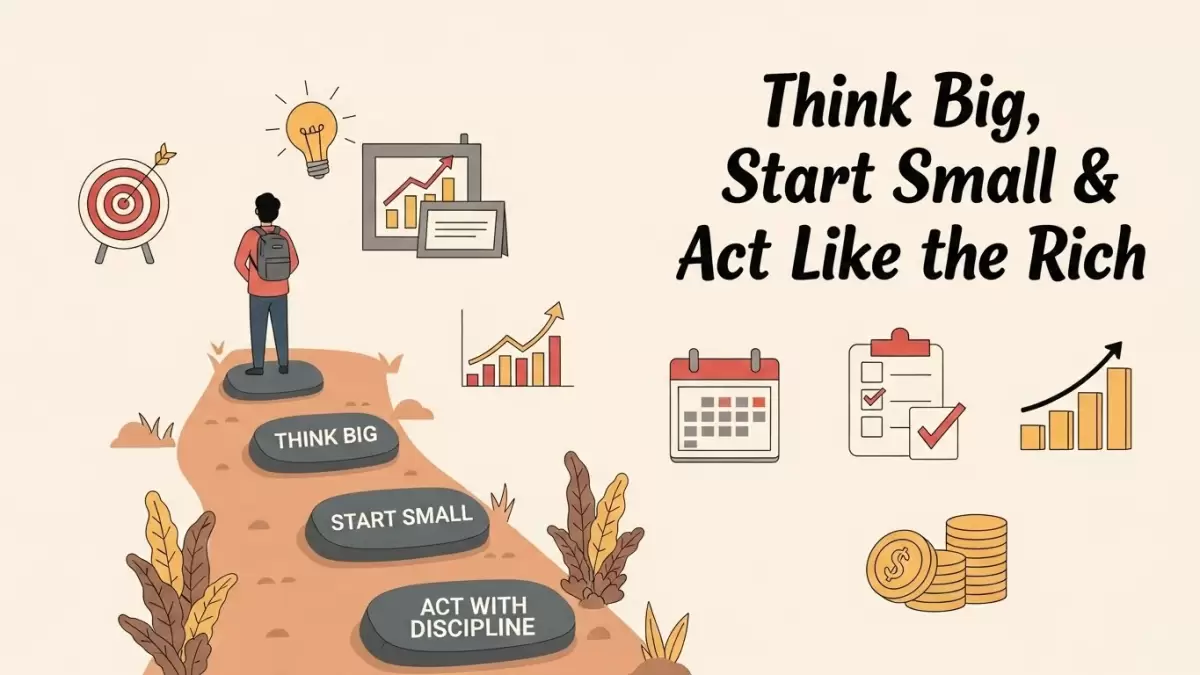
Jim Rohn, one of the most respected motivational speakers in modern history, reminded people that success is a discipline, not a destination. Emotions like fear, doubt, and desire for comfort are reactive - they reward ease and familiarity. A solid plan, on the other hand, is proactive - it rewards growth and long-term achievement. For the mindset that supports both vision and execution, see our article on Think Big, Start Small & Act Like the Rich which explains how broad vision plus tiny consistent steps powers major results.
Imagine two individuals:
While Person A may have bursts of energy, Person B builds daily consistency - and over time, consistency compounds into success.
This idea is rooted in discipline: a plan provides structure, direction, and a measurable path. Feelings can inspire, but they are unpredictable. Jim Rohn’s message is clear - feelings reward comfort, while plans reward growth.
Feelings are temporary. They fluctuate depending on your mood, energy level, and surrounding circumstances. For example:
When you let feelings dictate your actions, you end up living in a cycle of inconsistency. You get stalled, delayed, or completely derailed.
In contrast, a plan provides a framework that carries you forward even when motivation fades. A plan doesn’t require emotional approval - it simply requires action. And action, repeated over time, leads to progress.
This is why successful people don’t wait for motivation - they act, and their motivation grows from action.
One of Jim Rohn’s most famous principles is that discipline is the bridge between goals and accomplishment. A goal without a plan is just a wish. A plan without discipline is ineffective. But when you design your life plan and stick with it, you’re no longer dependent on how you feel that day - you’re guided by commitment.
This same idea appears across Rohn’s teachings: discipline must be practiced daily, repeated consistently, and embraced even when feelings tell you to stop. Motivation gets you started - but discipline keeps you going.
So how do you follow a plan instead of feelings?
By keeping your focus on the system of actions, you create momentum. Feelings may encourage you sometimes, but your plan sustains you always.
Following your plan builds confidence in a way that emotion never can. When you consistently act even when you don’t “feel like it”, you prove something powerful to yourself:
You can rely on your decisions more than your feelings.
Confidence grows from ability - doing what you said you would do. Plans shape habits, habits shape character, and character shapes destiny.
The strategy also reflects wider success principles taught by Jim Rohn:
It’s not enough to have dreams. You must create a system - a blueprint you can follow through good days and bad. When you do, consistency becomes your superpower.
StoryKafe is a dynamic online hub for storytelling, empowering creators to share meaningful, user-generated content across topics like business, technology, health, education, and beyond - turning stories into impactful conversations.