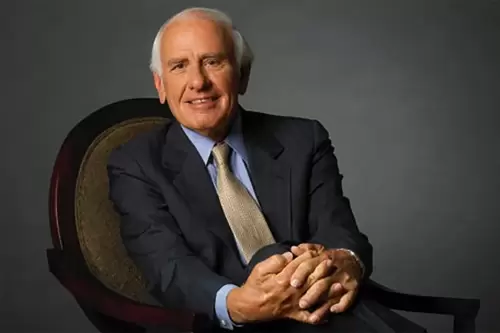
Setting goals without a system is like writing a destination on a map with no route planned. The motivational video “How to Build Systems to Actually Achieve Your Goals” featuring Jim Rohn’s teachings, clarifies this exact mistake most people make when trying to succeed. Dreams alone aren’t enough—you must design daily structures that carry you forward consistently.
In this article, you’ll learn:
Most people chase motivation instead of practical routines. The video emphasizes that motivation is temporary, but systems are as reliable as the structure you build. Relying only on big goals—like “lose weight” or “earn more money”—sets you up for failure because the daily habits that get you there are undefined.
Here’s the flaw:
Goals are outcomes. Systems are the processes that achieve outcomes.
If you agree with the sentiment “I’ll start tomorrow,” you’re actually highlighting the very weakness the video points out—you lack a system. When will you start? How will you measure progress? Without systems, you aren’t setting the conditions for success.
A system in this framework is a series of repeatable actions that directly move you toward your long-term aims. The video breaks this down into routines, habits, environments, and feedback loops—all of which compound over time.
Think of systems like this:
Habits you repeat daily
Schedules that structure your time
Accountability checkpoints
Performance rituals that reinforce discipline
This approach removes the need for constant high motivation. When systems are built, you perform the work even on low-motivation days.
1. Define Your “Big Why”
Systems without meaning collapse fast. If your reason for achieving a goal is vague (“I want success”), your system won’t have fuel. Get specific about why the goal matters—financially, emotionally, or socially.
2. List Key Outcomes
Instead of listing entire goals like “publish a book,” break them into measurable milestones like “write 500 words every day.” This becomes your system.
3. Build Your Daily Habits
Make your system actionable with habits such as:
Systems must be small enough to do every day and big enough to matter.
4. Track Feedback and Adjust
Without measuring progress, your system is nothing more than a hope. Tracking gives you data — and data forces clarity. If a system isn’t moving you forward, adjust it.
Goal: Grow a blog from 1k to 10k visits per month
System:
Notice how each item is a repeatable task that doesn’t wait for motivation.
Systems create compounding results. Over time, daily routines stack—and you notice growth without drama. Motivation can disappear, but if your system is embedded in your schedule and identity, you overcome resistance and distraction.
This is the difference between people who wish and people who achieve.
Success isn’t about grand goals—it's about the systems that make those goals inevitable. The video captures this simple but profound shift in mindset: Structure beats desire.
Start today by building one system that aligns with your goals. Track, adjust, and don’t stop. This is how ordinary people turn ambition into reality.
StoryKafe is a dynamic online hub for storytelling, empowering creators to share meaningful, user-generated content across topics like business, technology, health, education, and beyond - turning stories into impactful conversations.