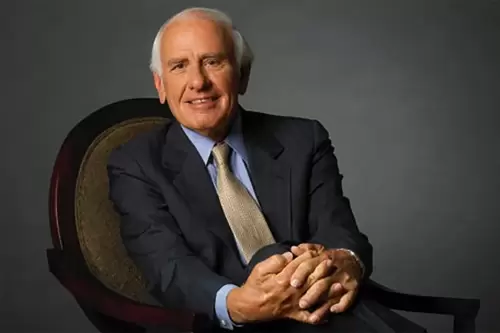
In an era where financial stress affects people from all walks of life, the timeless wisdom of motivational speaker Jim Rohn offers clarity and direction. The video “The Jim Rohn Way To Handle Your Money” presents practical philosophies about managing money that go beyond budgeting sheets and investment charts — it focuses on mindset. These teachings aren’t just about earning more; they’re about thinking and acting like the wealthy do.
At the heart of Jim Rohn’s money philosophy is one simple yet powerful concept: rich people invest first and spend what’s left, while others spend first and invest what’s left. This reversal of priorities has profound implications for financial growth. Those who save or invest after spending often find there’s nothing left once bills, wants, and emergencies have taken their toll. In contrast, when the act of investing becomes a priority, it imposes discipline and puts wealth creation at the forefront of financial decisions.
This idea might sound straightforward, but it reflects a deep mental shift — one that separates individuals who merely survive financially from those who build long-term wealth.
Rohn’s guidance emphasizes starting early and adopting the right financial mindset as soon as possible. The earlier you learn to prioritize saving and investing, the greater the compounding effect of your financial habits. By starting young, you allow your money more time to grow and learn valuable lessons in financial responsibility.
His philosophy places importance not only on growing wealth, but on cultivating self-discipline and planning — two traits that are essential in any financial strategy.
Rohn believed that children should be taught the value of money from an early age. He argued that understanding the difference between needs, wants, and financial goals builds responsible habits. When children learn why money should be saved or invested — rather than spent impulsively — they develop a foundation for financial independence later in life.
This focus on early education extends beyond monetary numbers to the character traits of patience, delayed gratification, and forward-thinking.
Interestingly, Rohn also tied financial success to generosity and character. While accumulating wealth is important, giving back remains a key principle. He suggested that acting with generosity enriches both the giver and the broader community, creating a positive cycle of growth and connection.
This perspective broadens the definition of success from self-centered accumulation of capital to a more holistic view of life fulfillment.
Rohn’s philosophy isn’t just lofty motivational talk — it provides specific practical habits:
In a world of instant gratification — where shopping is a click away and lifestyle inflation is common — Rohn’s principles serve as a grounding reminder that wealth isn’t accidental. It’s the result of conscious choices, disciplined habits, and a mindset that values long-term gain over short-term pleasure.
His philosophy is especially relevant for anyone tired of living paycheck to paycheck, or those striving to break out of financial stagnation.
The Jim Rohn way isn’t just about numbers; it’s about attitude and discipline. It shifts the focus from “how much money can I make?” to “how smartly can I manage and grow what I make?” By investing before spending, teaching financial responsibility early, and maintaining conscious generosity, anyone can build a path toward financial independence. These principles are timeless — and remarkably effective for anyone willing to adopt them.
StoryKafe is a dynamic online hub for storytelling, empowering creators to share meaningful, user-generated content across topics like business, technology, health, education, and beyond - turning stories into impactful conversations.