Most people wait for success to show up first - then adjust their thinking and effort accordingly. But the video “How To Think Like Success Before You See It” flips this idea on its head: success begins in the mind before it ever appears in the world. To manifest results, wealth, or achievement, you must first think in alignment with success - before evidence, before momentum, and before outcomes materialize.
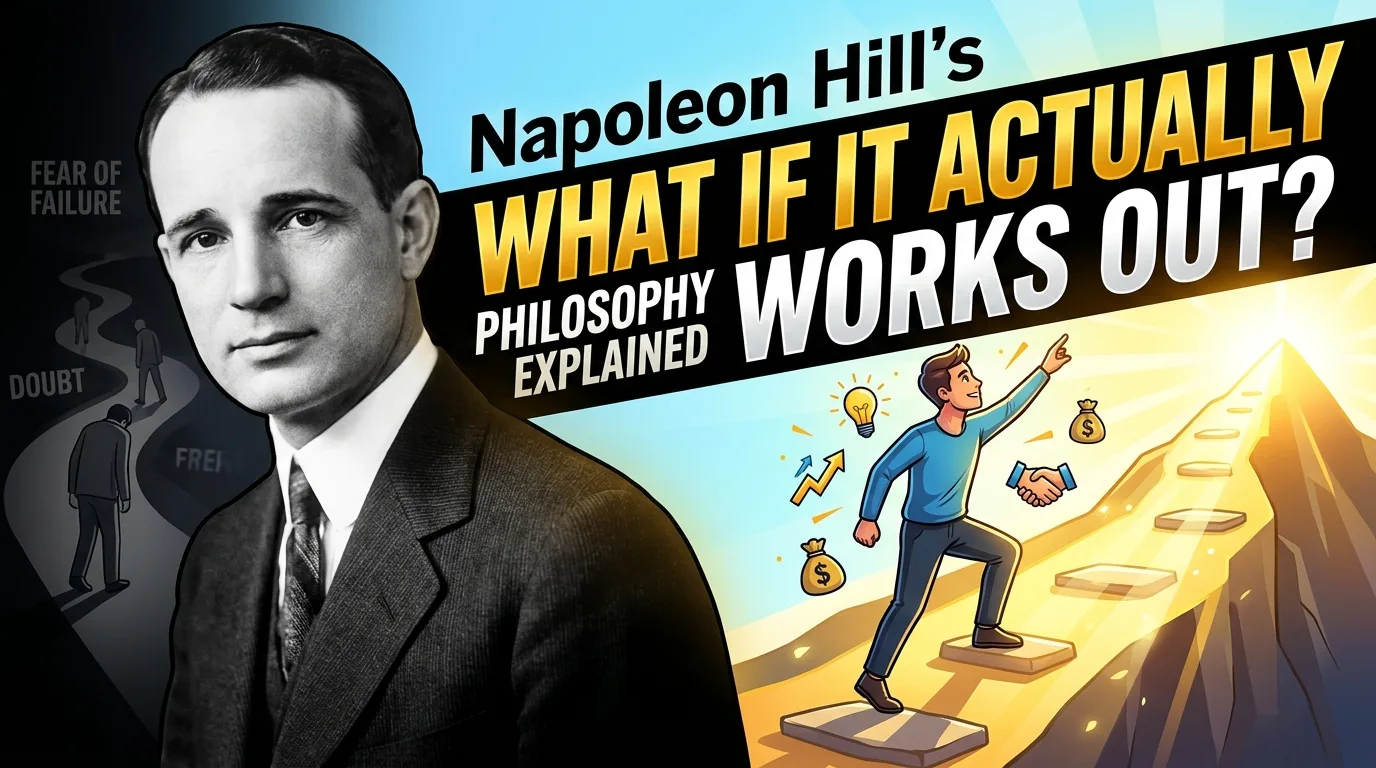
This approach isn’t vague optimism - it’s a mental strategy grounded in discipline, clarity, and emotional alignment that precedes action and accelerates results. Inspired by Napoleon Hill’s timeless principles, this article breaks down how you can train your mind to think like success even when success hasn’t yet arrived, and how that mindset eventually shapes your experience.
Most people operate on a reactive cycle:
First results ➝ then belief ➝ then confidence
This sequence keeps you in a loop of waiting, stagnation, frustration, and self-doubt.
Napoleon Hill teaches a different sequence:
First belief ➝ then disciplined thinking ➝ then success outcome.
Success isn’t reactive - it’s creative:
Your thoughts are the blueprint for your circumstances. If your internal world aligns with success first, then your external world must eventually adjust to that internal order.
To think like success means to adopt the internal posture of someone who already has what they want. This doesn’t mean pretending with denial - it means assuming success as a current reality and acting from that state.
Successful thinkers do three things inwardly:
✔ Visualize the outcome clearly – not just vaguely, but with detail
✔ Feel the experience now – as if success is already present
✔ Think from the end – meaning your mind operates from the result rather than toward it first
This prepares your subconscious to recognize and attract opportunities in alignment with that state.
Belief becomes powerful when it feels real. Napoleon Hill emphasized the role of autosuggestion - consciously feeding your mind with thoughts you want to become real through repetition and emotional engagement.
Your subconscious doesn’t differentiate between memory and belief - if you feel a thought strongly and repeatedly, your internal programming begins to treat it as a blueprint.
Practical method:
This programming primes your mind to act like someone who is already successful - not someone chasing success.
Merely thinking about success isn’t enough - emotion is the fuel that drives mental programming into action. Emotions strengthen or weaken the signal your thoughts send.
For example:
When emotional alignment - faith, confidence, eagerness, calm expectancy - is paired with disciplined thought, your mind becomes a magnet for congruent outcomes.
This is very similar to the idea that prosperity is frequency before form - the emotional state you hold invites circumstances that match it.
Once the internal environment shifts - thoughts + emotions aligned toward success - external behaviors change too. This leads to:
📌 More decisive action
📌 Better risk assessment
📌 Higher persistence despite setbacks
📌 A tendency to ask “What’s possible?” instead of “What’s wrong?”
The difference between a reactive thinker and a success-minded thinker shows up in the choices they make when obstacles appear. The success-minded problem–solves with curiosity, while the reactive thinker hesitates with fear.
To recap the mental strategy:
When you consistently think success first, you align your decisions, behaviors, and even opportunities toward that outcome.
This mindset is not wishful optimism - it’s an intentional reconfiguration of your internal operational code that reality eventually reflects.
StoryKafe is a dynamic online hub for storytelling, empowering creators to share meaningful, user-generated content across topics like business, technology, health, education, and beyond - turning stories into impactful conversations.