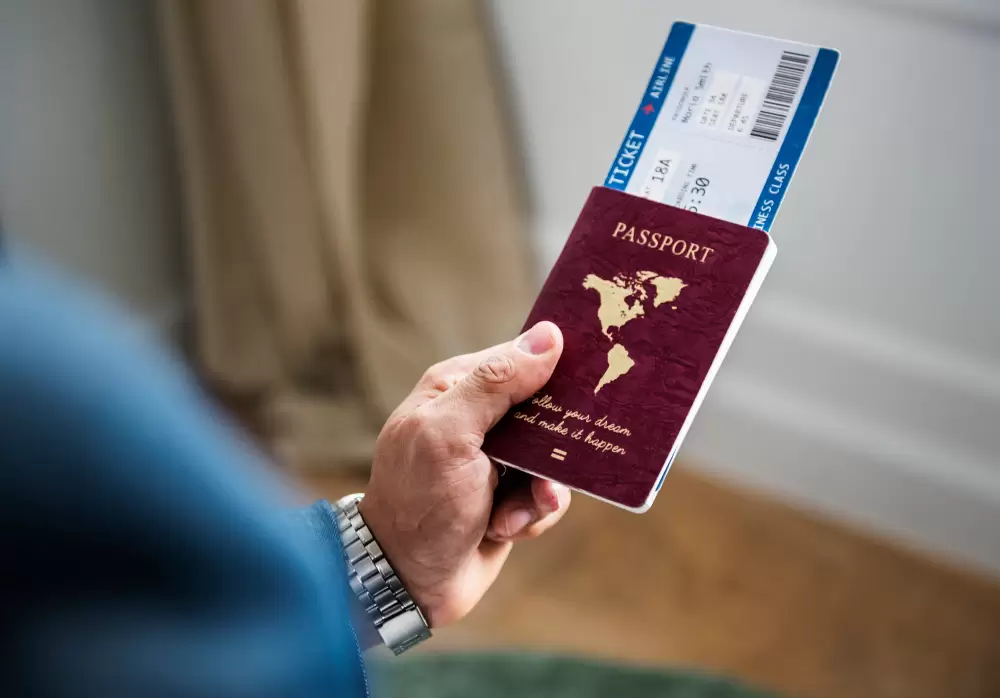
India has introduced the e-Passport, a technologically advanced version of the traditional passport that includes an embedded electronic chip carrying encrypted personal and biometric information of the holder. This chip securely stores data such as the holder’s photograph, fingerprints, and facial recognition details, enhancing the passport’s overall authenticity and safety during international travel.
Unlike a regular passport, an e-Passport includes this secure chip in the back cover, which makes it much harder for unauthorized users to copy or tamper with the information. This aligns with global standards set by the International Civil Aviation Organization (ICAO), making the passport more trustworthy and globally compatible.
Any Indian citizen who is eligible for a regular passport can now apply for an e-Passport — whether it’s a new application or a renewal. The service is currently available at selected Passport Seva Kendras (PSKs) and Post Office Passport Seva Kendras (POPSKs) across the country. It’s advised that applicants verify if their nearest center supports e-Passport issuance.
This rollout is part of India’s broader Passport Seva Programme 2.0, which focuses on digital transformation, better services, and secure documentation.
Applying for an e-Passport follows almost the same steps as a traditional passport:
The fees for e-Passports are similar to traditional passports:
✔ ₹1,500 for a 36-page booklet
✔ ₹2,000 for a 60-page booklet
Additional charges may apply if you opt for Tatkal or expedited services.
The embedded chip and data encryption significantly reduce the risk of passport forgery and identity theft. Biometric data adds another layer of protection that’s difficult to replicate or falsify.
Automated immigration checks, facilitated by contactless biometric scanning, allow travelers to move through border control points quickly and efficiently.
e-Passports follow ICAO norms, making them widely accepted and compatible with various international e-gate systems at airports around the world.
With advanced anti-counterfeiting features, it becomes much harder to tamper with or forge the passport booklet, enhancing overall document integrity.
With digital verification and faster identity authentication, travelers enjoy smoother and less stressful international travel experiences.
India’s move to e-Passports reflects its intent to improve border security, streamline passport services, and adopt modern travel documentation practices. This upgrade supports Digital India goals, fostering a reliable, efficient, and secure identity system for its citizens.
The rollout also places India alongside more than 120 countries that already issue biometric e-Passports, showing the nation’s commitment to innovation and global travel standards.
India’s e-Passport project marks a significant shift toward the future of secure, digital travel documentation, offering citizens improved convenience and enhanced international mobility.
StoryKafe is a dynamic online hub for storytelling, empowering creators to share meaningful, user-generated content across topics like business, technology, health, education, and beyond - turning stories into impactful conversations.