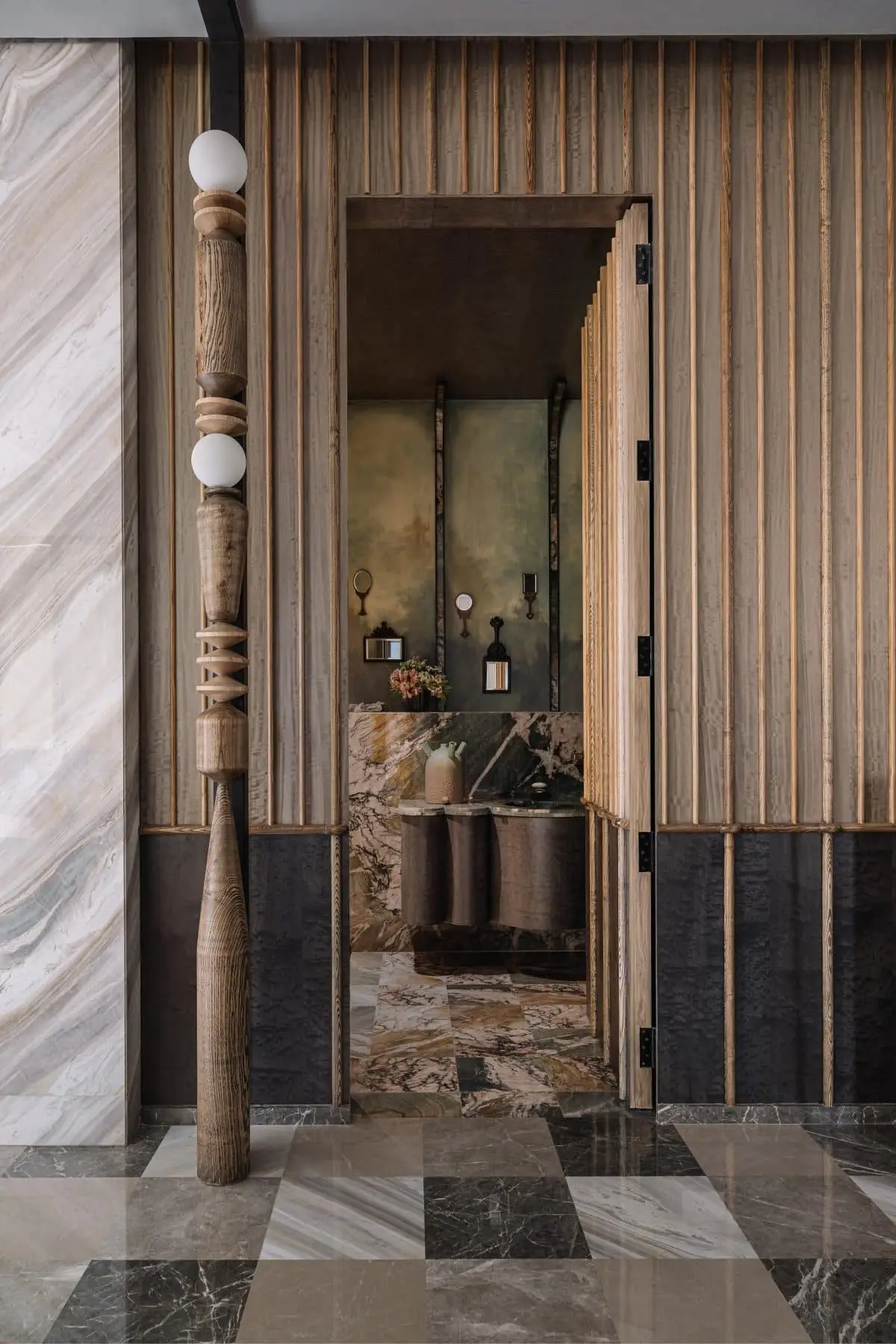
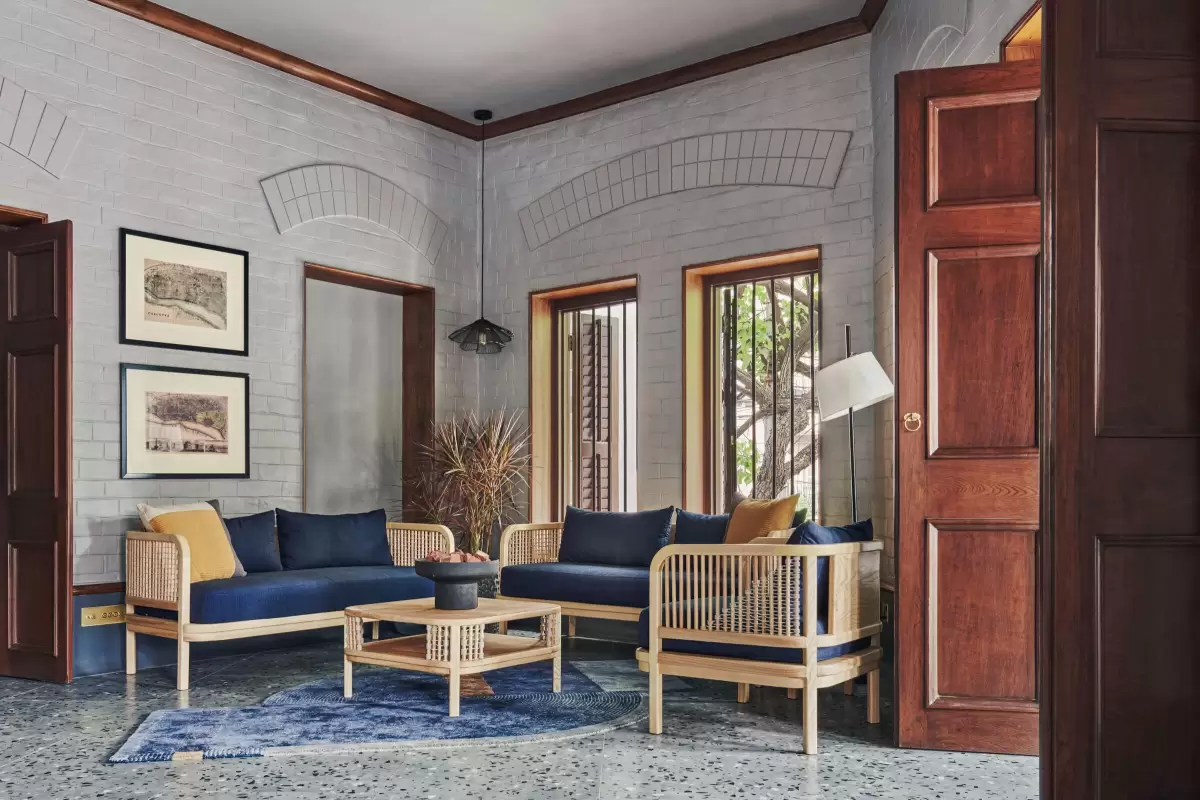
For architect Pooja Bihani, design is not merely about aesthetics; it is a calculated synthesis of life, love, and power. Recognizing the core elements of a site-and the specific narrative of the people who inhabit it-is what separates standard construction from transformative architecture. As highlighted by her recent inclusion in the Forbes India ‘The Bold Club: The Design NextGen Top 30 under 45,’ Bihani’s work centers on the ability to bridge the gap between deep-rooted Indian tradition and the evolving demands of international modernism.
Bihani’s approach begins with a rejection of repetitive formulas. She posits that every design must be a unique creation, born from a specific concept tailored to the individual, the family, and the site.
"The mode has to be broken after every design," she notes. Her process, described as the "Holy Trinity" - to create, recreate, and uncreate-aims to epitomize harmony and functionality. The ultimate goal is not just a building, but an environment that heals and adds tangible value to the user’s life.
A prime example of this bespoke methodology is "Ashira," a 5,000-square-foot residence in Kolkata. Here, the design process was an exercise in collaboration. By partnering with various artists and experimenting with new materials and traditional crafts, Bihani created a space that serves as an extension of the client’s personality. The success of Ashira lies in the deep customization, proving that the most successful residential projects are those that act as mirrors to the inhabitants' values.
Perhaps the most challenging task for any modern architect is operating within heritage structures. Bihani’s workspace project demonstrates how to respect history while embracing contemporary trends. Located in one of Kolkata’s prominent heritage buildings, the office retains the original layout and structure. By introducing Nordic-inspired furniture and lighting, she successfully created a workspace that feels fresh yet grounded. The inclusion of a 39-foot high terrace provides the necessary "spill-over" space, highlighting the importance of outdoor integration in modern office design.
The renovation of the "Bar at 19th" at the Royal Calcutta Golf Club (RCGC) presented a different challenge: maintaining a legacy. The curation required a deep understanding of golf culture.
Bihani’s team achieved this balance through thoughtful accessorization. A standout feature is the bespoke chandelier constructed from 180 repurposed golf clubs contributed by club members, alongside a mural depicting a perfect golf swing. This project serves as a masterclass in how to modernize a space without stripping away its historical identity.
Bihani’s recognition by Forbes India validates a specific architectural ethos: India is a melting pot, and design should reflect that. By creating structures that respect the "innate culture" of India while complying with international standards, Bihani is positioning herself at the forefront of the next generation of architects. For those looking to redefine their own environments, the lesson is clear: true innovation happens when you stop trying to mimic trends and start synthesizing history with the present.
StoryKafe is a dynamic online hub for storytelling, empowering creators to share meaningful, user-generated content across topics like business, technology, health, education, and beyond - turning stories into impactful conversations.