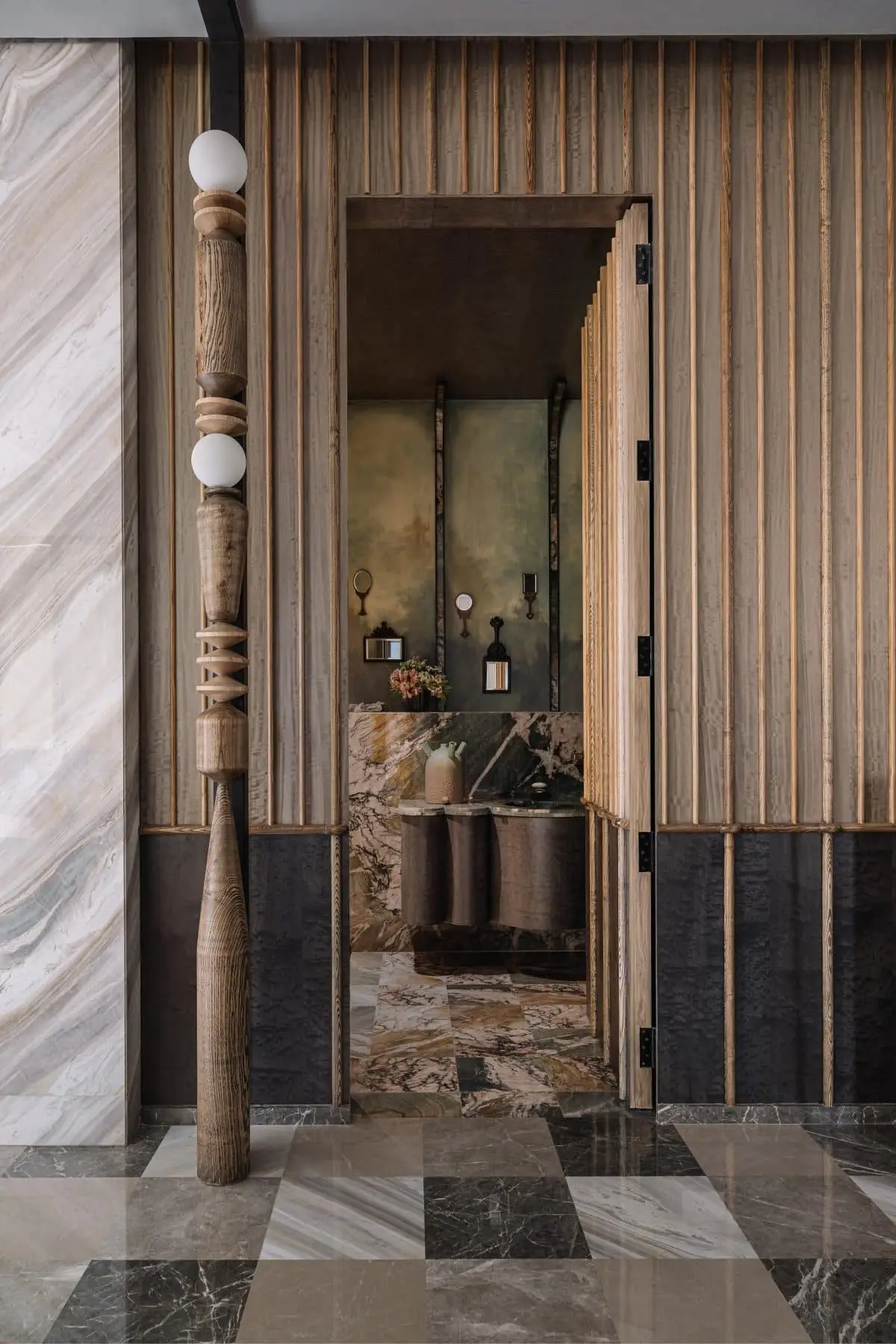
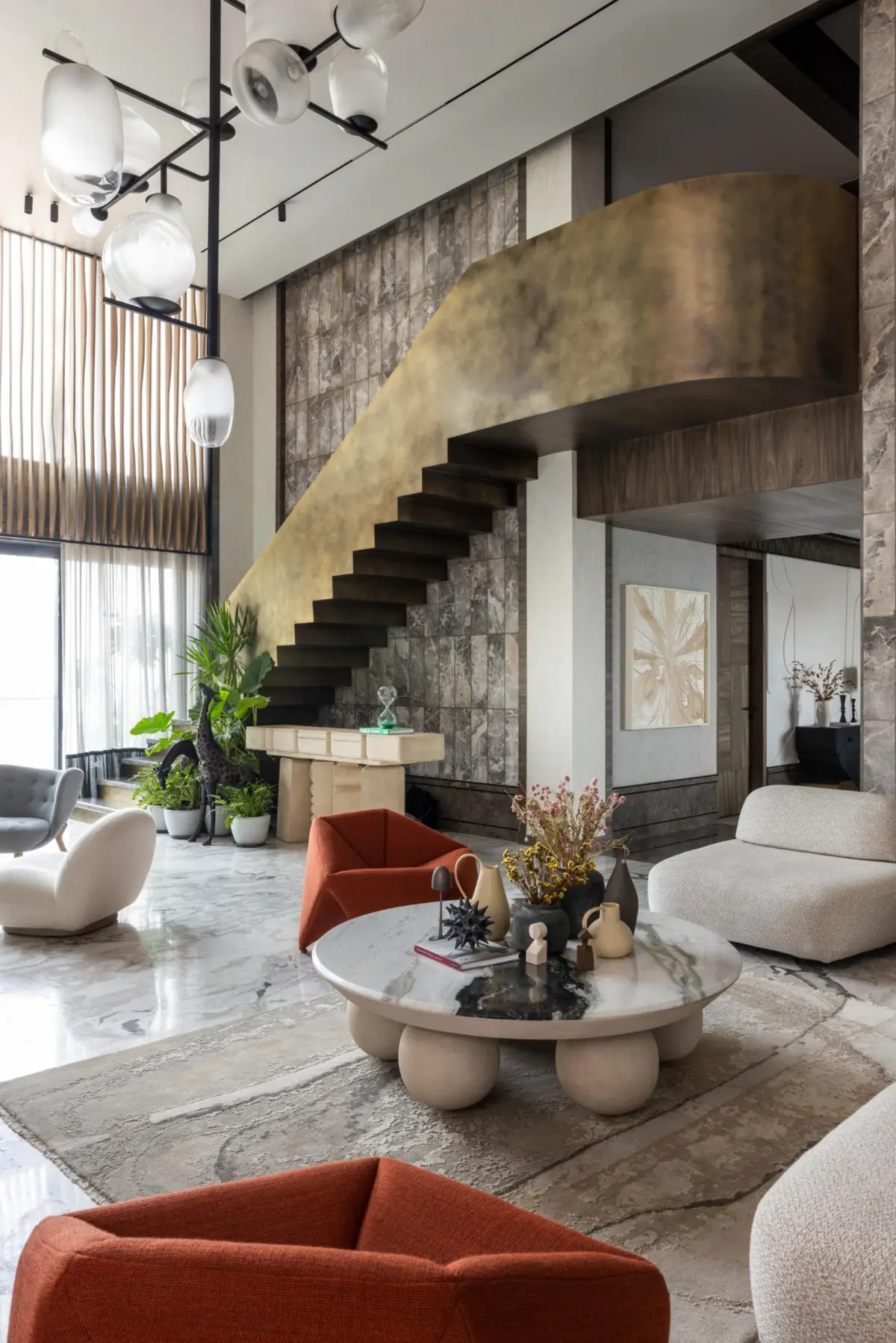
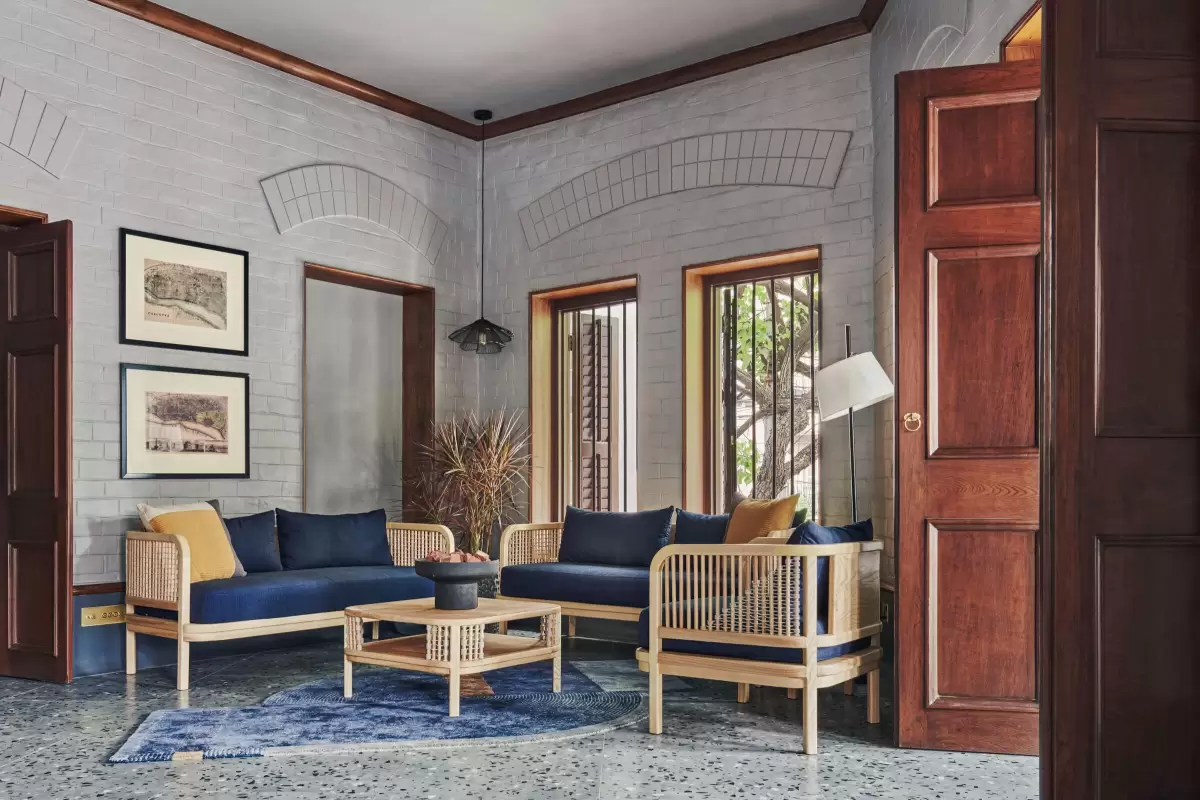
In this video, principal architect Pooja Bihani, founder of Spaces and Design based in Kolkata, shares her journey in architecture and the design principles that shape her work. With experience in both architecture and interior design, Pooja brings a thoughtful, human-centric approach to creating spaces that are functional, elegant, and tailored to the ways people live and interact.
Founded with a passion for design, Spaces and Design focuses on blending form and function — where beauty does not compromise usability. Pooja’s philosophy centers on designing spaces that foster comfort, usability, and harmony. She believes that good design should feel natural and intuitive, not forced or stylistically overwhelming.
According to Pooja, architecture isn’t just about aesthetics; it is about understanding people. For her, every project — be it a residence, office, or commercial interior — begins with the question: How will people live and interact here? This view drives her to focus on layouts that improve daily routines, enhance comfort, and support the lifestyle of the inhabitants rather than just decorating spaces superficially.
Pooja emphasizes that functionality always precedes aesthetics. A space may be visually striking, but its true value is judged by how well it serves its users. Whether planning storage, circulation routes, lighting solutions, or materials, her studio aims for a balance that increases usability without sacrificing style.
One key insight from Pooja’s practice is the role of contextual responsiveness in design. Instead of applying a uniform style to all projects, she tailors her approach based on local conditions, cultural cues, and client needs. This means considering climate, cultural habits, daily routines, and even the emotional needs of clients to create spaces that feel authentic and relevant rather than generic.
For example, in a city like Kolkata, where climatic and lifestyle factors differ from other regions, design decisions regarding ventilation, materials, and palette choices reflect local sensibilities. Such depth of context ensures that spaces feel grounded and liveable.
Another cornerstone of Pooja’s work is the collaborative design process. She views design not as a unilateral direction given by the architect, but as a dialogue between designer and client. This collaboration helps translate the client’s personality, aspirations, and practical needs into the design language of the project.
This teamwork means that the final outcome isn’t just a visually pleasing interior — it’s a space that reflects the user’s identity and serves their everyday life with comfort and clarity. Iterative discussions, model explorations, and careful detailing all feed into the final design decisions.
Pooja also highlights the importance of balancing current trends with timeless design. While trends inspire new ideas and innovations, they should not be mistaken for lasting design principles. Trends can age quickly, but timeless interiors continue to feel relevant and comfortable over years. Her designs often blend contemporary elements with classic sensibilities to ensure longevity.
The core message of this video is that architecture and interior design must do more than look good — they must enhance the way people live. Thoughtful spatial planning, responsiveness to context, and empathy for human behavior distinguish Spaces and Design’s work.
For Pooja Bihani, architecture is not merely a profession but a living experience that shapes how individuals feel, interact, and thrive in their environment. The synergy of form, function, context, and collaboration makes design meaningful and enduring.
StoryKafe is a dynamic online hub for storytelling, empowering creators to share meaningful, user-generated content across topics like business, technology, health, education, and beyond - turning stories into impactful conversations.