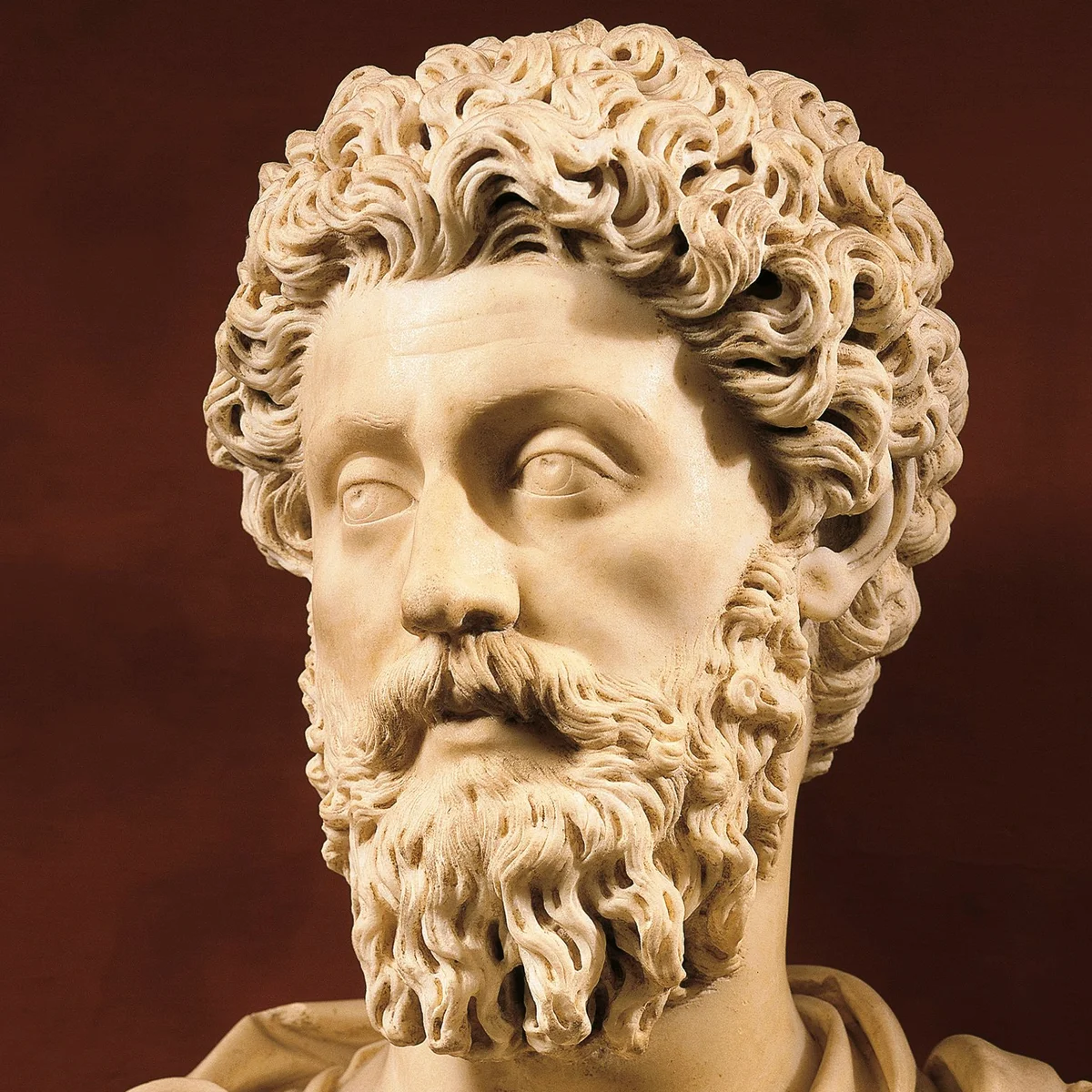
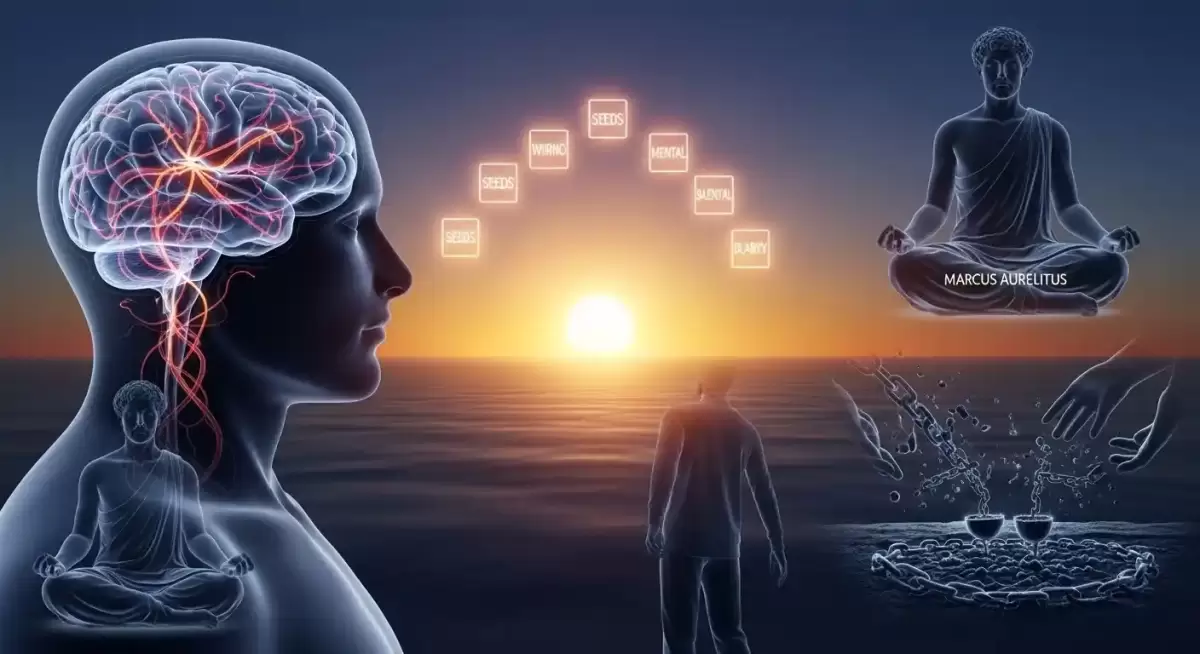
Marcus Aurelius, the emperor of Rome, carried more weight on his shoulders than most of us could even imagine. Wars threatened his empire. Plagues decimated his people. Political betrayal lurked in every corner. And yet, in the quiet of his tent, surrounded by uncertainty, he wrote to himself: "The happiness of your life depends upon the quality of your thoughts."
Pause for a moment and let that sink in. What if your happiness wasn't tied to your paycheck, the approval of others, the turbulence of the world, or even your own fears? What if it depended solely on the discipline of your mind, on the way you chose to think each day?
That's the heart of Stoicism. It doesn't promise a life without pain or difficulty. Instead, it teaches us something far more powerful: that peace and strength are not given but practiced daily. And that happiness - real and steady happiness - is not an accident of fortune. It's a choice, a discipline, a responsibility.
Marcus Aurelius began his days reminding himself of the gift of life - that to wake up, to breathe, to think, to act was already more than enough. He did not begin his mornings by counting complaints.
Seneca wrote: "No man is poor who can see what he already has, and no man is rich who is blind to it." Poverty is not the absence of wealth but the absence of gratitude.
The Stoics taught that the highest good is not pleasure but virtue. Marcus Aurelius wrote that the soul becomes dyed with the color of its thoughts and actions. If those thoughts and actions are directed toward pleasure alone, the soul grows soft, restless, and dependent. If they are directed toward virtue - toward wisdom, justice, courage, and temperance - the soul grows strong, calm, and free.
Epictetus declared: "No man is free who is not master of himself."
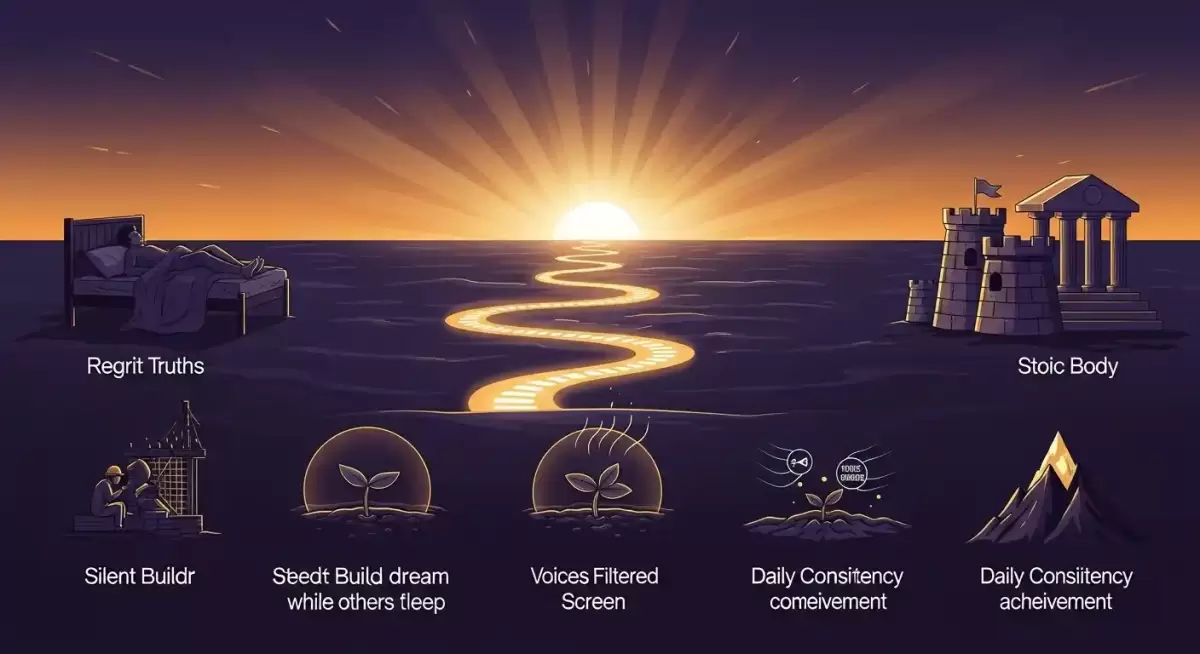
If you wish to be happy every day, you must construct within yourself a fortress so strong that no storm from the outside world can destroy it. Marcus Aurelius understood that he could not control the tides of war, nor the spread of disease, nor the betrayal of ambitious men. But he also understood that these could not touch his inner fortress unless he opened the gates.
The Stoics repeated: Memento Mori - remember that you must die. They did not meditate on death to become dark. They meditated on death to become alive.
Marcus Aurelius wrote to himself: "You could leave life right now. Let that determine what you do, say, and think." This was not despair, but clarity. Knowing that death could come at any moment reminded him to live with virtue, to waste no time on anger or envy.
Marcus Aurelius wrote: "The impediment to action advances action. What stands in the way becomes the way."
Every obstacle carries within it the seed of growth. Seneca reminded his students that difficulty is the forge of virtue. Courage cannot grow without danger. Patience cannot grow without delay. Strength cannot grow without struggle.
Seneca wrote: "It is not the man who has little who is poor, but the man who always wants more."
To live chained to desire is to live enslaved, because your peace is always held hostage by what you do not yet have. Marcus Aurelius, who had at his disposal the wealth of an empire, reminded himself daily that luxury is unnecessary.
The one who has mastered his desires can enjoy luxury when it is present but does not suffer when it is absent. That is true strength.
Marcus Aurelius wrote: "Confine yourself to the present." He reminded himself that yesterday is gone, tomorrow is uncertain, and the only place where life actually happens is now.
Epictetus taught that events themselves do not disturb us, but our judgments about them do. Most of our judgments are not about what is happening now, but about what has already passed or what might happen. We poison the present with regrets and anxieties.
Seneca advised his friends to practice poverty - to deliberately eat coarse bread, wear rough clothing, and sleep on the ground from time to time. His purpose was not cruelty, but freedom.
Those who are slaves to comfort are never free. The moment comfort disappears, so does their peace. By practicing discomfort voluntarily, you train yourself to be unshaken when discomfort comes without warning.
Marcus Aurelius wrote: "You have power over your mind - not outside events. Realize this, and you will find strength."
A warrior does not step onto the battlefield unprepared. He practices. He conditions. He repeats until readiness becomes instinct. The Stoic philosopher does the same with thought.
Epictetus advised his students to rehearse difficulties in their minds before they came. He would tell them: "Do not say 'I have lost it,' but rather 'I have returned it.'" In this way, he trained his mind to accept change without despair.
Gratitude is the quiet force that turns ordinary days into extraordinary experiences. Marcus Aurelius did not waste his mornings focusing on endless crises. Instead, he reminded himself of the blessing of being alive at all.
Gratitude in the Stoic sense is not shallow optimism or forced positivity. It demands clarity. It trains the eye to notice what is still present even when much is lost. Happiness is not found in the endless chase for more, but in the recognition of enough.
Seneca wrote: "No person is poor who can see what they already have." To live without gratitude is to live in permanent hunger. To live with gratitude is to feel full, even with little.
Happiness is not a gift you receive. It is a habit you build. You cannot control the world, but you can control your mind. You cannot command fortune, but you can command your choices. You cannot promise yourself tomorrow, but you can live fully today.
That is enough. That is freedom. That is Stoicism.
Begin small. Tomorrow morning, write down three things you are grateful for. When irritation rises, pause and ask yourself: "Is this worth my peace?" When desire tempts you, remind yourself: "Freedom is needing less." When an obstacle appears, whisper to yourself: "The obstacle is the way."
Push yourself to be happy every day - not because it is easy, but because it is worth it.
StoryKafe is a dynamic online hub for storytelling, empowering creators to share meaningful, user-generated content across topics like business, technology, health, education, and beyond - turning stories into impactful conversations.