The sun rises. Another day begins. And before you check your phone, before you let the world tell you who to be, you have a choice - a single moment where your mind is still yours, where possibility lives in silence, where the person you want to become waits for you to speak.
Words are not just sounds that disappear into air. They are seeds planted in the soil of your consciousness. They are architects that build the house you live in. They are the compass that points your life in one direction or another.
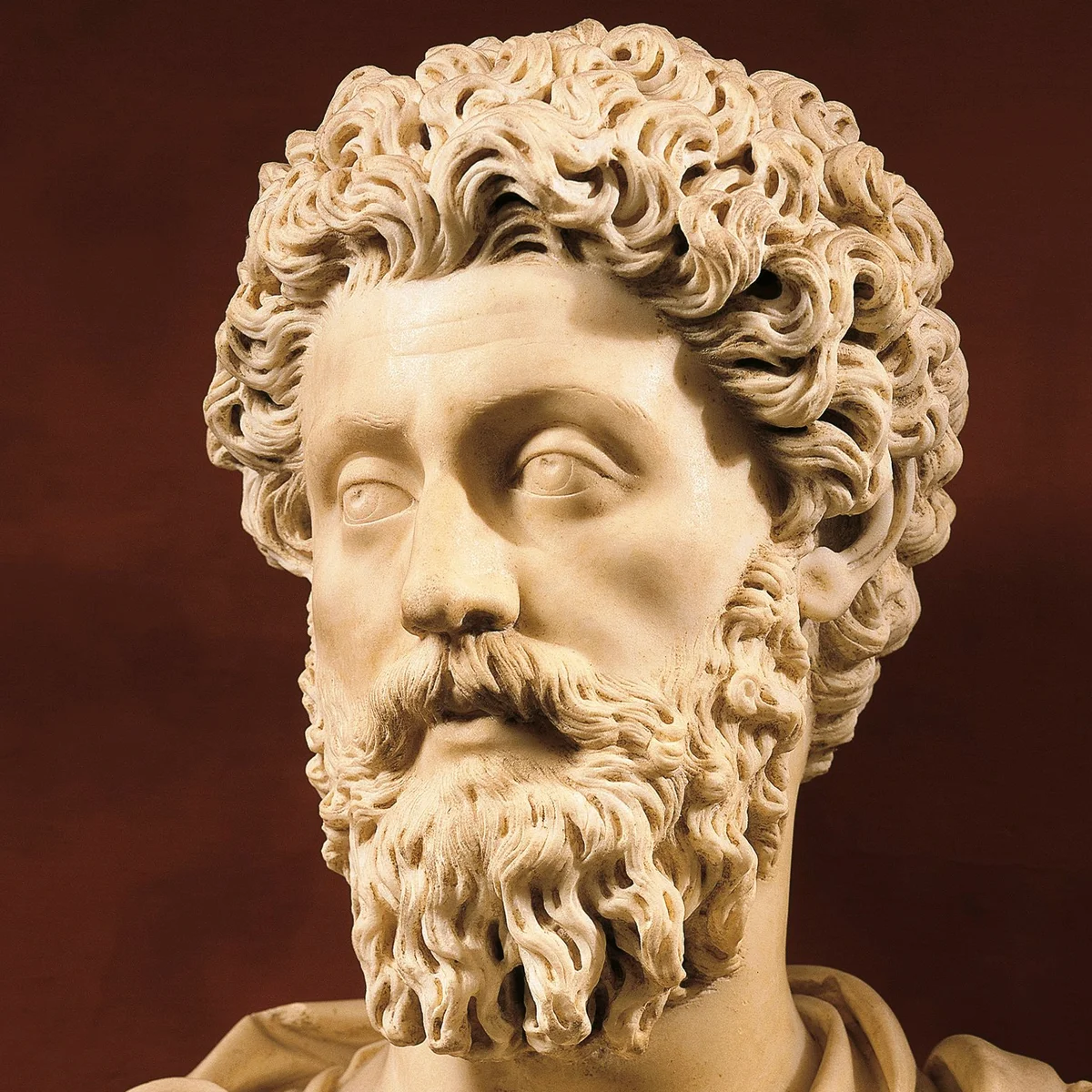
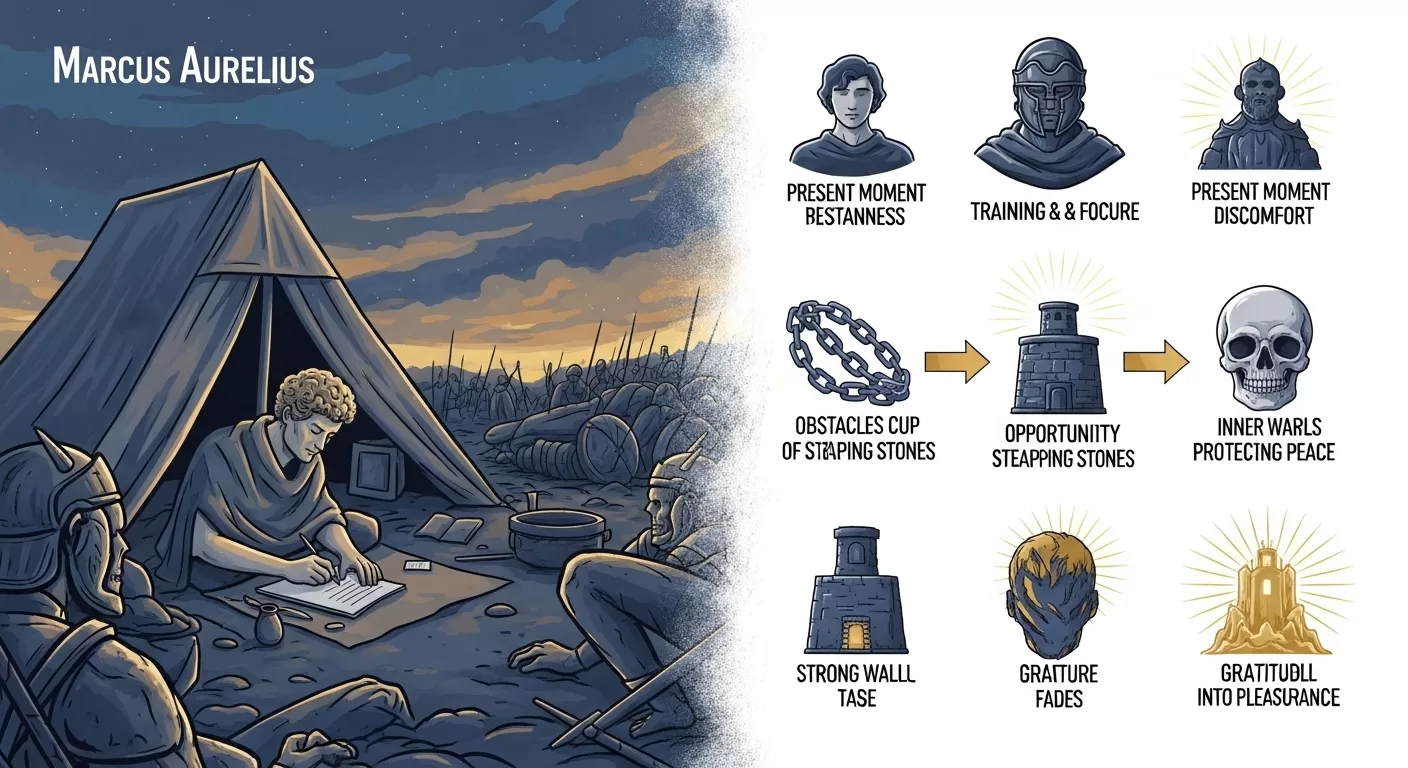
Marcus Aurelius, the Roman emperor who ruled the world yet mastered himself first, wrote in his Meditations: "The happiness of your life depends upon the quality of your thoughts."
He knew that the battle for a meaningful life is won or lost in the theater of the mind - in those first quiet moments when you decide what voice gets to speak.
Most people wake up and immediately surrender. They reach for their phones and let fear speak through news headlines. They let comparison speak through social media. They let worry speak through mental replays of yesterday's mistakes. They give away their morning, which means they give away their day, which means they give away their life.
Neuroplasticity - the brain's ability to reorganize itself - shows us that our thoughts create neural pathways. Repeat a thought enough times and it becomes a highway in your brain. Your mind literally reshapes itself based on what you feed it.
The words you speak in the morning are the first meal your consciousness consumes. Make it nourishing. Make it powerful. Make it count.
Today, here are five words - not phrases, not paragraphs, just five words that carry the weight of Stoic wisdom and the power to transform how you see yourself, your challenges, and your potential.
Life will hit you. That is not a possibility - it is a guarantee. The question is never whether hardship will come. The question is who gets to decide what it means.
Every morning when you say "I choose my response," you are claiming sovereignty over the one thing no one can take from you: your response - the space between what happens to you and what you do about it.
Viktor Frankl, who survived Nazi concentration camps, discovered this truth in humanity's darkest hour. He wrote: "Between stimulus and response there is a space. In that space is our power to choose our response. In our response lies our growth and our freedom."
Epictetus taught that we do not control what happens to us, but we absolutely control how we respond. When you waste energy trying to control what you cannot control, you become weak. When you focus all your energy on what you can control - your response - you become unstoppable.
Pain is not your enemy. Discomfort is not a sign that something has gone wrong. The moment you feel stretched beyond what feels safe, beyond what feels familiar - that is not the universe punishing you. That is growth knocking on your door.
When you wake up and say "Growth lives here," you are making a declaration: this day, this moment, this challenge is not a problem to avoid. It is soil where something new can take root.
Seneca wrote: "Difficulties strengthen the mind as labor does the body." We do not grow in comfort. We grow in the friction between who we are and who we are trying to become.
Most people spend their lives running from discomfort. But comfort is where dreams go to die. Comfort is where potential gets buried under the weight of "maybe someday."
Epictetus was born into slavery. He could have spent his life in bitterness. Instead, he found freedom in the one place no chains could reach: his mind. He later taught: "It is not what happens to you, but how you react to it that matters."
Yesterday is a ghost. Tomorrow is a promise no one can guarantee. But today - today is breathing. Today is here. Today is the only canvas where you can actually paint.
When you wake up and say "Today matters most," you are pulling your consciousness out of two prisons that trap most people: regret about the past and anxiety about the future.
Marcus Aurelius wrote: "Confine yourself to the present." Not because the past does not matter or the future is not important, but because this present moment is the only place where your power lives.
Think about how much mental energy you waste. You replay conversations from last month, wishing you had said something different. You relive mistakes from years ago, punishing yourself for choices you cannot change. Or you project yourself into next week, next year, creating elaborate disaster scenarios in your mind.
Meanwhile, today slips through your fingers like water. The one day you actually have control over becomes a blur because you were too busy living everywhere except now.
Seneca spent years in exile, stripped of his position, separated from everything familiar. Instead of dwelling in bitterness, he wrote some of his most profound work during that time. He wrote: "Begin at once to live, and count each separate day as a separate life."
Each morning was a rebirth. Each night was a completion. He squeezed meaning from the present moment because it was all he truly had.
You have been carrying a lie for so long that it feels like truth - the lie that says you need to be more before you deserve peace, that you need to achieve more before you can rest, that you need to fix yourself before you are worthy of love.
When you wake up and say "I am enough," you are not claiming perfection. You are claiming wholeness. You are declaring that your value is not contingent on your productivity. Your worth is not measured by how many people approve of you. Your humanity is not something you need to earn.
Epictetus taught that our true nature - our capacity for reason and virtue - is already complete within us. He said: "He is a wise man who does not grieve for the things which he has not, but rejoices for those which he has."
You already possess what matters most. You just forgot to look.
The world has trained you to feel insufficient. Every advertisement whispers that you are incomplete without their product. Every social media scroll suggests that other people have figured out something you are missing. The treadmill never stops: achieve this goal, then the next one, then the next one.
But what if you stepped off the treadmill? What if you stood still for a moment and asked yourself: Who decided that I was not enough?
You never consciously agreed to it. It was programmed into you so gradually, so consistently, that you accepted it as reality.
Marcus Aurelius, the most powerful man in the known world, wrote reminders to himself about accepting his limitations. He wrote: "Very little is needed to make a happy life. It is all within yourself, in your way of thinking."
Everything you need to be whole is already inside you.
Your hands are tired from gripping so tightly. Your mind is exhausted from trying to orchestrate outcomes you were never meant to control.
When you wake up and say "I release control," you are not surrendering to chaos. You are surrendering to reality. You are acknowledging a truth that the Stoics built their entire philosophy around: there is what you control, and there is everything else. And everything else is almost everything.
Epictetus drew a clear line. He taught: "Make the best use of what is in your power, and take the rest as it happens."
This is not passivity. This is power - real power. The power that comes from knowing where your influence ends and acceptance must begin.
Think about what you have been trying to control: other people's opinions of you, how quickly your dreams manifest, whether people you love make the choices you think they should make, the timeline of your healing.
You cannot control any of it. But you have spent so much energy trying - energy that could have gone toward what you actually can influence: your effort, your attitude, your growth, your responses.
Marcus Aurelius led armies but could not control the outcome of every battle. He governed an empire but could not prevent plague, betrayal, or death. He wrote: "You always own the option of having no opinion. There is never any need to get worked up or to trouble your soul about things you cannot control."
He found freedom not by controlling everything, but by releasing what was never his to control.
Five words. Five mornings. Five keys to unlock a mind that has been holding itself prisoner:
These are not just words. They are the foundation of a new internal architecture. They are the language of someone who has decided that their inner world matters more than their outer circumstances.
The Stoics did not develop these principles in times of ease. They forged them in exile, in slavery, in war, in grief - in the messy reality of being human when being human is hard.
You rewire your mind one morning at a time. One word at a time. One choice at a time.
There will be days when you forget, days when old patterns pull you back. That is not failure. That is being human. You do not need perfection. You need commitment.
Your mind is listening. What will you tell it tomorrow?
StoryKafe is a dynamic online hub for storytelling, empowering creators to share meaningful, user-generated content across topics like business, technology, health, education, and beyond - turning stories into impactful conversations.