Here's a brutal truth most people refuse to accept: The first hour after you wake up is either building your future or destroying it. There's no middle ground.
Right now, your body is fighting a war. Every single morning, your cells are deciding whether to repair themselves or break down. Your brain is choosing between clarity and fog. Your heart is determining whether it will stay strong or slowly weaken.
And here's what haunts me: Most people are losing this battle before they even leave their bedroom. They reach for their phone, flood their system with stress hormones, skip the fundamentals their body is desperately begging for. And then they wonder why they feel decades older than they should.
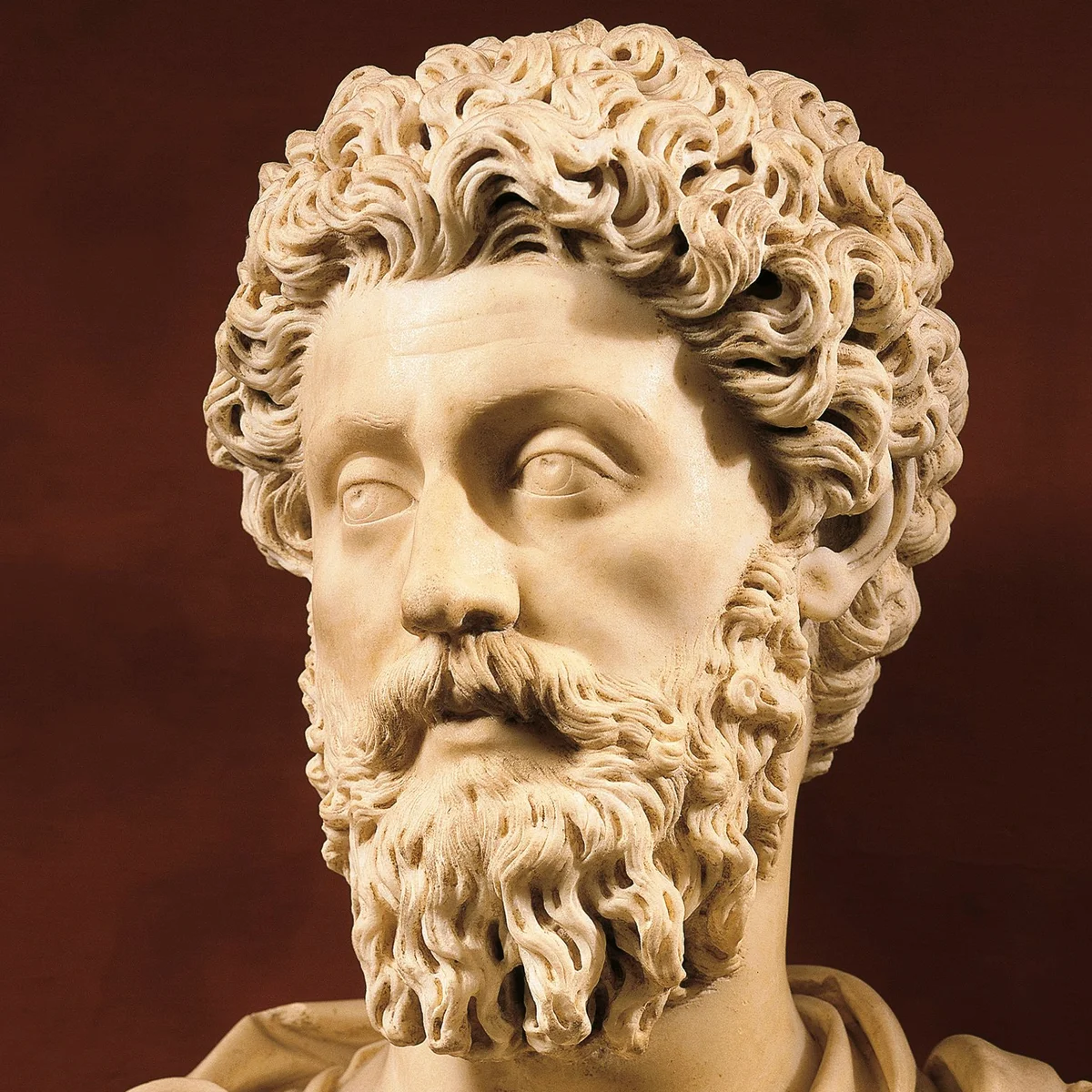
Marcus Aurelius wrote: "When you arise in the morning, think of what a privilege it is to be alive, to breathe, to think, to enjoy, to love."
But here's what the Stoics understood that modern society has forgotten: The morning isn't just about gratitude. It's about preparation. It's about fortifying yourself against entropy, against decay, against the relentless march of time.
Your body doesn't just randomly operate. It's governed by circadian rhythms — incredibly precise biological clocks that regulate everything from hormone production to cellular repair, from energy metabolism to DNA restoration.
Think of these rhythms as an ancient language that your body speaks. When you align your morning habits with these rhythms, you're essentially having a conversation with millions of years of evolution.
Seneca once said: "It is not that we have a short time to live, but that we waste a lot of it." And nowhere is this more true than in how we treat our mornings.
Get these signals right, and you're working with your biology. You're optimizing systems that determine how fast you age, how well you fight disease, how long you maintain your vitality.
"The impediment to action advances action. What stands in the way becomes the way." — Marcus Aurelius
Let's start with a practice that sounds absolutely insane: Deliberate cold exposure within the first hour of waking. I'm talking about genuine cold water — around 10 to 15°C for 2 to 11 minutes.
When you expose your body to cold water, you trigger something called hormesis — a biological principle where controlled stress actually makes your systems stronger. Think of it like weight training for your cells.
The cold activates your sympathetic nervous system, causing a massive release of noradrenaline — increases of 200 to 300% in some studies. This reduces inflammation throughout your entire body.
Why that's revolutionary: Chronic inflammation is one of the primary drivers of every age-related disease you can name — cardiovascular disease, Alzheimer's, type 2 diabetes, most cancers.
Cold exposure also triggers production of cold shock proteins, molecules that protect your cells from damage. One protein called RBM3 has been linked to improved brain health and may actually help prevent neurodegeneration.
Cold also activates brown adipose tissue, a special type of fat that burns calories to generate heat. People with more active brown fat tend to have better metabolic health, lower body fat percentages, and improved insulin sensitivity.
Start small: 30 seconds of cold water at the end of your regular shower. Build up over weeks. The key is consistency, not heroics.
As Epictetus taught: "Difficulties are things that show a person what they are."
"The universe is change. Our life is what our thoughts make it." — Marcus Aurelius
Within the first hour of waking, ideally within 30 minutes, you need to get bright light exposure, preferably from natural sunlight.
Your eyes contain specialized photoreceptors that detect light levels and communicate that information to your brain's central clock. For millions of years, humans woke with the sun. Our biology expects this.
When bright light hits these cells in the morning, it sends a powerful signal: "It's daytime. Act accordingly." This triggers cortisol to peak naturally — the cortisol awakening response — helping you wake up and setting the stage for the natural drop that should occur later.
Timing also affects melatonin, your sleep hormone. Getting bright light early tells your brain to suppress melatonin and schedule its release for later — about 12 to 14 hours after that morning light exposure.
So what you're doing in the morning is actually programming your sleep for that night.
Your circadian clock regulates the expression of thousands of genes, including ones involved in DNA repair and cellular cleanup processes.
Action: Go outside or sit by a window within 30 minutes of waking. On bright sunny days, 5 to 10 minutes might be enough. On overcast days, you might need 20 to 30 minutes.
"Nothing happens to any man that he is not formed by nature to bear." — Marcus Aurelius
Research on protein timing shows that consuming protein in the morning triggers muscle protein synthesis. This is particularly critical as we age because we naturally lose muscle mass — a process called sarcopenia.
By your 70s and 80s, low muscle mass is one of the strongest predictors of mortality and disability.
Maintaining muscle isn't about aesthetics. It's about maintaining metabolic health, insulin sensitivity, and your ability to move and function independently as you age.
Studies found that people who consume adequate protein at breakfast have better muscle mass preservation compared to those who eat the same daily total but skew it toward evening. Your muscles appear more responsive to amino acids earlier in the day.
The optimal amount seems to be around 25 to 35 grams of high-quality protein. That might look like three eggs with Greek yogurt, a protein smoothie, or even leftovers from dinner.
Another benefit: Protein at breakfast stabilizes blood sugar for hours. When you start the day with refined carbohydrates, your blood sugar spikes and crashes, creating a roller coaster that affects energy, focus, and hunger throughout the entire day.
"At dawn, when you have trouble getting out of bed, tell yourself, 'I have to go to work as a human being.'" — Marcus Aurelius
Getting your body moving in the morning jumpstarts critical systems. You've been relatively still for hours. Blood flow to certain areas has decreased. Your lymphatic system has slowed down. Metabolic waste products have accumulated.
Even something as simple as a 10 to 15-minute walk can significantly improve glucose regulation for the entire day. It improves insulin sensitivity, meaning your cells respond better to insulin throughout the day.
Morning movement gets your heart rate up moderately, improving blood flow to all organs, including your brain. This increased cerebral blood flow is associated with better cognitive function.
There's also evidence that morning exercise or even just brisk walking improves mood and reduces anxiety more effectively than the same activity done later in the day.
Action: A 15-minute walk at a pace where you can talk but feel slightly breathless is sufficient. If you want to do more, resistance training or bodyweight exercises are excellent because they maintain muscle mass.
"First, say to yourself what you would be, and then do what you have to do." — Epictetus
You wake up after 8 hours without water. You're in a mildly dehydrated state. Your blood is slightly more concentrated, which means your heart has to work harder and all cellular processes are operating less efficiently.
But here's where most people miss an opportunity: The addition of electrolytes makes a significant difference.
Electrolytes — primarily sodium, potassium, and magnesium — are essential for cellular function. Every cell maintains an electrical charge that depends on these minerals.
Adding 1/4 to 1/2 teaspoon of quality salt in 500ml of water, plus some potassium and magnesium, improves actual cellular hydration. The sodium helps water move into cells rather than just passing through you.
Your brain is about 75% water, and even mild dehydration impairs cognitive function. Dehydration of just 1 to 2% of body weight reduces concentration and impairs short-term memory.
Action: Before coffee or breakfast, drink 500ml of water with a pinch of high-quality salt and ideally some form of potassium and magnesium.
"Waste no more time arguing about what a good man should be. Be one." — Marcus Aurelius
The compound effect is what makes this powerful. Just like compound interest turns small, regular investments into significant wealth, these small daily health practices compound into significantly better health outcomes over years and decades.
You won't feel dramatically different after one morning of doing these things. But do them for months or years, and the cumulative effect on your cellular health, organ function, and disease risk becomes substantial.
Start with one. Maybe it's morning light exposure because that's the easiest. Get that dialed in for a few weeks until it becomes automatic. Then add the protein breakfast. Layer in the morning walk next. Build toward cold exposure. Perfect the hydration piece.
Each habit reinforces the others, and over time you'll have built a morning routine that genuinely gives you the best possible chance of a long, healthy life.
As Epictetus taught: "No great thing is created suddenly." Your health is built one morning at a time.
StoryKafe is a dynamic online hub for storytelling, empowering creators to share meaningful, user-generated content across topics like business, technology, health, education, and beyond - turning stories into impactful conversations.