Focus is the sharp edge of life. Without it, even the strongest sword becomes dull. Without focus, your mind drifts like a boat without a compass, lost in endless waves of distractions. But when focus lives in your spirit, you can cut through noise, pierce through doubts, and create a life that feels powerful, purposeful, and unshakable.
Most people are not defeated because they lack strength or intelligence. They are defeated because their focus has been stolen - stolen by noise, by temptations, by endless notifications, by other people's opinions, and by the trap of doing everything except what truly matters.
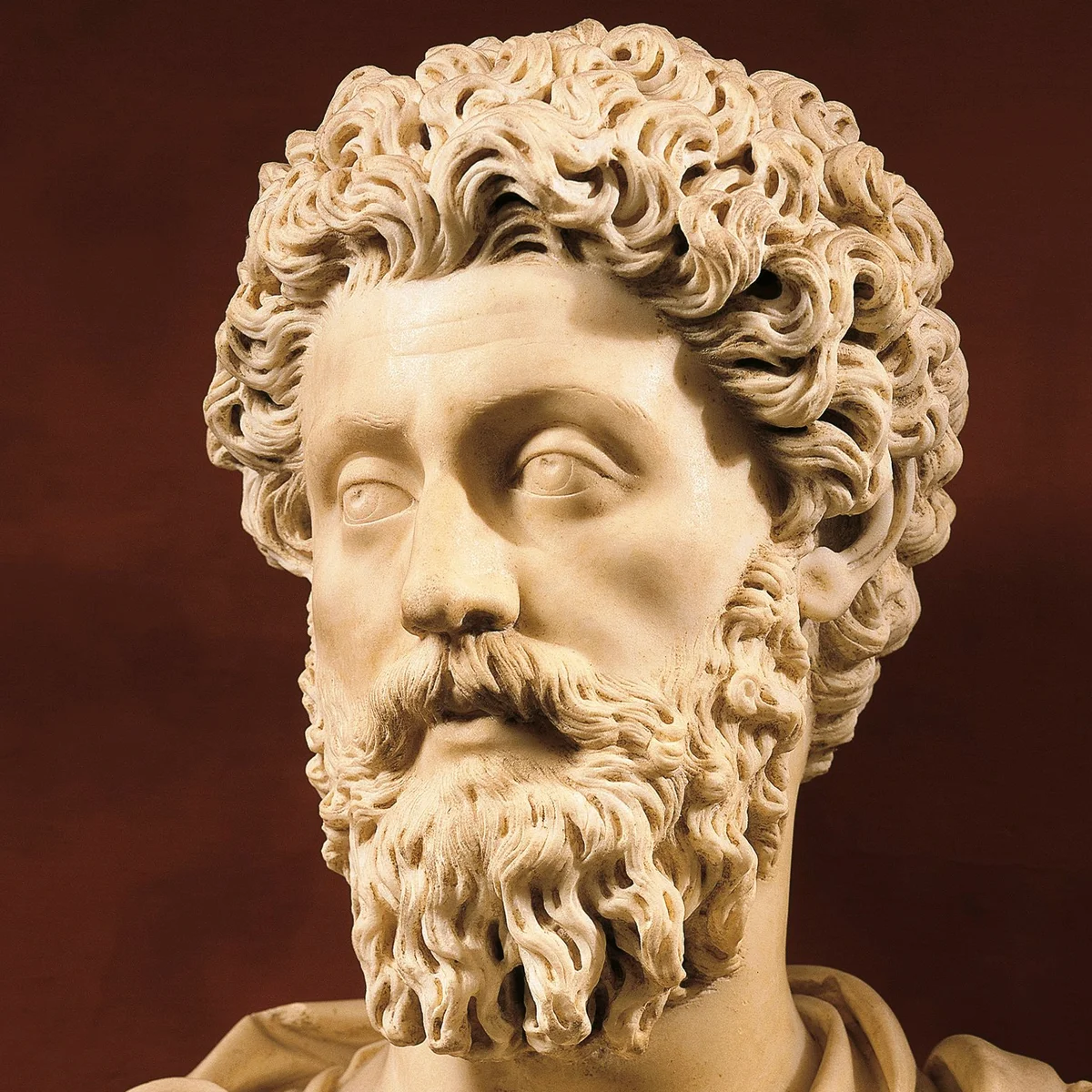
The Stoics knew this thousands of years ago. Marcus Aurelius once wrote: "You have power over your mind - not outside events. Realize this, and you will find strength."
Your focus is your power. It is your ability to direct your energy where it matters most. And when you master it, you are no longer a slave to chaos. You become its master.
Seneca said: "It is not that we have a short time to live, but that we waste much of it." When your focus is broken, your life feels wasted. But when your focus is whole, your life feels infinite.
In ancient times, a city was only safe if its walls were unbroken. The Stoics believed the same about the human spirit. They taught that the greatest danger is not the attack of enemies outside, but the invasion of distractions within.
Marcus Aurelius warned himself: "You have been wandering. Now you must stop." He was reminding himself to guard his attention and not let his thoughts scatter like leaves in the wind.
Guarding your mind means creating boundaries. It means saying no more often than you say yes. It means deciding that your attention is sacred. Because here's the truth: If you don't protect your focus, someone else will use it for their gain.
Create rituals that strengthen your mental walls: Begin your day in silence, not with your phone. Decide the three things that matter most today. Keep a space free of noise where your mind can breathe.
Focus is not just about adding discipline. It is about subtracting distraction. A sculptor does not create a masterpiece by adding clay. He creates by cutting away everything unnecessary.
Epictetus said: "If you wish to improve, be content to be thought foolish and stupid by others." Why? Because people will never understand why you cut away what they cling to. But you must if you want focus.
How many things do you carry that don't serve you? Endless group chats. Toxic conversations. Gossip. Empty entertainment. These things don't just steal minutes - they steal your clarity.
Marcus Aurelius said: "If you seek tranquility, do less. Or more accurately, do what's essential." Focus is not a talent. It is a choice. And the first choice is subtraction.
The modern world glorifies multitasking, but multitasking is the enemy of focus. Your mind is not a juggler. It is an arrow. And an arrow cannot strike two targets at once.
Seneca warned: "To be everywhere is to be nowhere." When you scatter your attention, you lose your depth. You may touch many things, but you master none.
Science now proves what the Stoics already knew: The brain is not built for multitasking. Every switch in attention burns energy and leaves you weaker. But when you choose one task and pour yourself into it, you enter what modern thinkers call "flow" - a state of timeless focus where effort feels natural and powerful.
Marcus Aurelius reminded himself: "Do every act of your life as though it were the very last act of your life." If this task was your last, would you rush it? Would you divide your mind? Or would you pour your entire being into it?
A distracted environment creates a distracted mind. You cannot plant seeds in a storm and expect them to grow.
Epictetus once said: "The key is to keep company only with people who uplift you, whose presence calls forth your best." This wisdom extends beyond people. It applies to the spaces you live and work in.
If your environment is chaotic, your thoughts will mirror that chaos. If your surroundings are filled with temptation, your focus will scatter.
Disciplining your environment means creating conditions where focus becomes the natural state, not a constant struggle. Remove what distracts you. Clean your desk. Put your phone in another room when working. Make your surroundings a temple for concentration.
Stillness is not weakness. Stillness is strength. In a world where everyone runs faster and faster, the one who can be still owns the greatest power: control of their attention.
Marcus Aurelius practiced this every day. He would rise early, sit in silence, and write to himself: "Nowhere you can go is more peaceful, freer of interruptions than your own soul."
Without stillness, your focus is fragile. The Stoics knew that silence trains the mind like weights train the body. It sharpens your ability to choose your thoughts instead of being dragged by them.
Try this: Once a day, put everything away. No phone, no noise. Just sit in silence for 5 minutes. Let your thoughts run wild, then gently return them to one point - your breath, your purpose, your work.
Distraction doesn't only come from pleasures. It comes from problems. Pain, frustration, and obstacles can scatter the mind faster than anything else.
But the Stoics discovered a different path: to use obstacles as fuel for focus.
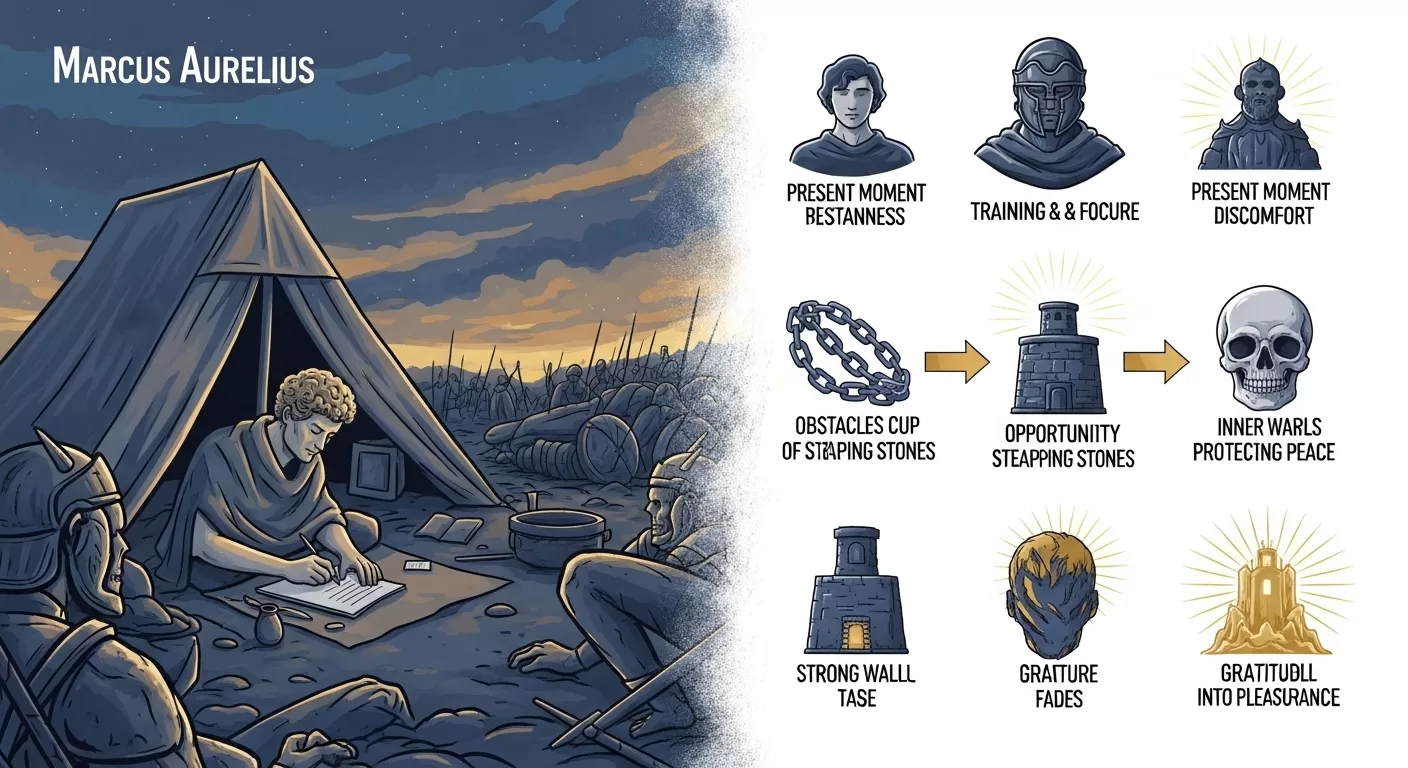
Marcus Aurelius declared: "The impediment to action advances action. What stands in the way becomes the way." The very things that distract most people can become your source of strength if you change your perspective.
When someone doubts you, don't waste your attention on anger - channel it into your work. When a problem arises, don't drown in frustration - direct your focus to the solution.
The distracted mind lives by impulse. It does whatever feels urgent in the moment, chasing one thing after another, never building depth. But the focused mind lives by ritual.
Epictetus taught: "First say to yourself what you would be; then do what you have to do."
Rituals are anchors. They ground you when the waves of distraction pull. Think of the small daily rituals that can shape your focus: waking early with intention, journaling for clarity, practicing silence before work, reviewing your day each evening.
Rituals are not prison. They are freedom. Because when you live by ritual, you no longer depend on fleeting impulses. You depend on the strength of your discipline.
Your focus doesn't only get stolen by the world outside. It also gets stolen by the voice inside your head. Doubts, fears, overthinking, and endless inner chatter can drain your attention faster than any distraction.
Epictetus said: "It's not what happens to you, but how you react to it that matters." And your reaction begins with your thoughts.
When negative thoughts arise, don't wrestle with them - replace them. Instead of "I can't do this," say "I will stay with this until it is done." Instead of "I'm overwhelmed," say "I'll take one step at a time."
Your inner dialogue is either your prison or your weapon. If you master it, your focus will not be broken by fear or doubt.
Focus is not only mental. It is physical. A tired body cannot hold a sharp mind. A restless lifestyle creates a restless spirit.
Seneca reminded himself: "We should treat the body rigorously that it may not be disobedient to the mind."
Sleep properly. Exercise daily, even for 20 minutes. Eat foods that sharpen, not dull, your energy. Walk in fresh air. Breathe deeply. These simple practices make your focus unbreakable because they remove the fog of fatigue.
The greatest lie people whisper to themselves is: "I'll focus tomorrow." But tomorrow is a thief.
Marcus Aurelius reminded himself: "You could leave life right now. Let that determine what you do and say and think."
Focus is not something you prepare for someday. It is the way you live now. Every day of lost focus is not just a day wasted - it is a fragment of your life you will never reclaim.
Seneca wrote: "It is not that we have a short time to live, but that we waste much of it." When you carry this truth in your heart, you no longer postpone your attention. You do not say tomorrow. You focus today. Because today is all you ever truly have.
Focus is not just a tool. It is your life's edge. With it, you cut through chaos, you silence the noise, and you create a life that feels meaningful and powerful.
Marcus Aurelius, Epictetus, Seneca - each of them fought battles, endured chaos, and faced storms. But what kept them steady was not wealth, not power, not fame. It was focus.
These 10 truths are not just lessons. They are weapons. If you use them, your focus will not just grow - it will transform your life.
But remember: Focus is a choice. Every day you decide whether to give it away or protect it. Every moment you choose whether to scatter it or sharpen it. And in those choices, you shape your destiny.
StoryKafe is a dynamic online hub for storytelling, empowering creators to share meaningful, user-generated content across topics like business, technology, health, education, and beyond - turning stories into impactful conversations.